
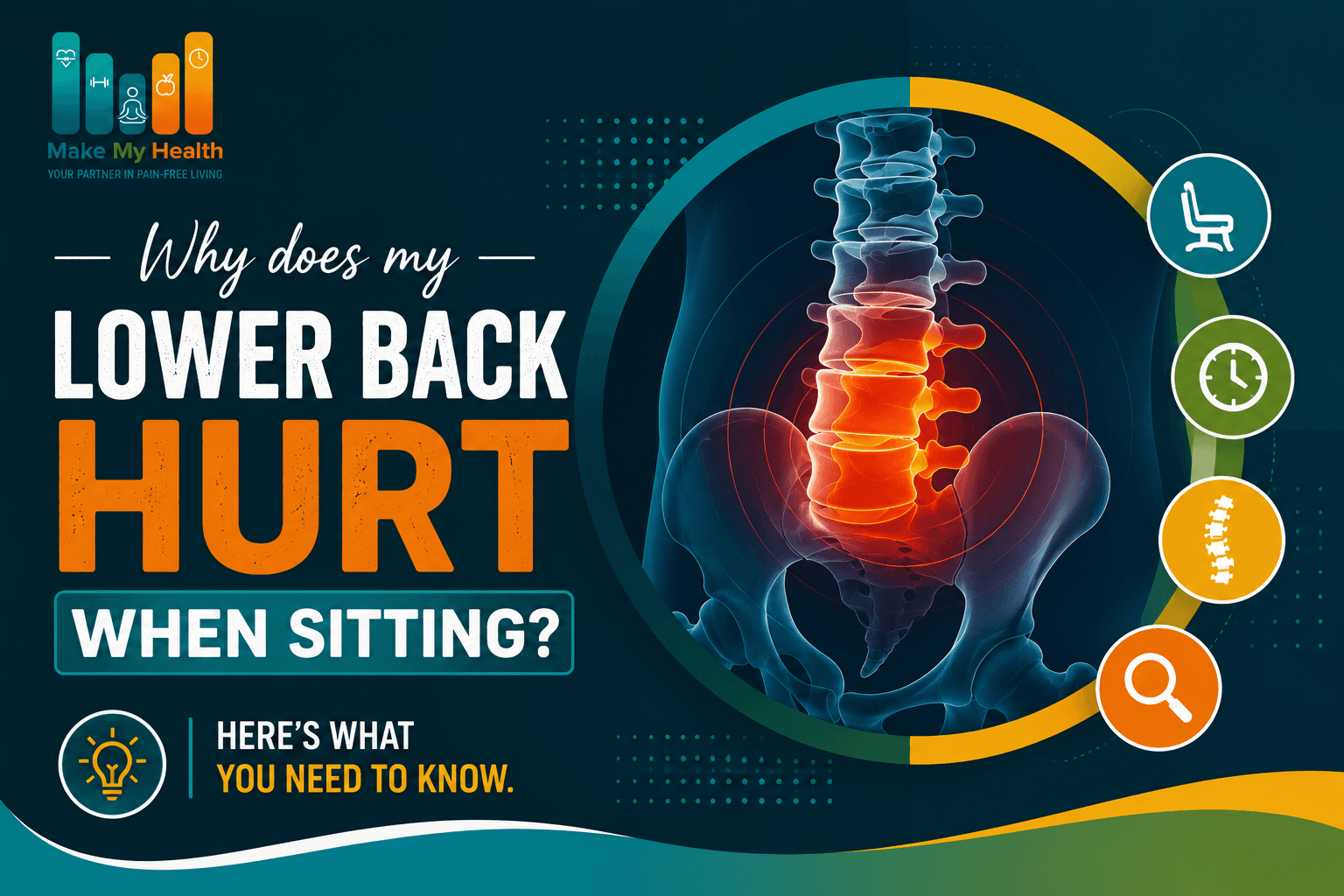
Why does my lower back hurt when sitting?
DisclaimerThis article is for general educational purposes and is not a substitute for professional medical advice, diagnosis, or treatment. Always consult a qualified healthcare provider for guidance specific to your condition.
Is your daily desk routine silently sabotaging your spine, turning hours of sitting into a source of chronic lower back pain?
Do you ever stand up after a long stretch at your desk and feel that nagging, stubborn ache in your lower back? You’re not alone. Sitting, something we all do for hours on end, can secretly turn into a nightmare for your spine. Let’s unravel the jaw-dropping reasons why your lower back rebels during those endless sitting sessions and what you can do to conquer the pain.
1. Common Causes of Lower Back Pain While Sitting
Sitting might sound harmless, right? But for millions, this daily ritual has become a relentless source of agony. Let’s take a closer look at what’s really going on.
1.1 Poor Posture
Are you slouched over your keyboard right now? Or maybe you’re the “lean-forward” type? Poor posture is a silent saboteur. When you hunch, your lumbar spine loses its natural curve, transforming your back into a pressure cooker for discs and soft tissues. Shocking ergonomic research shows poor posture can skyrocket lumbar disc pressure by up to 40% compared to sitting upright. No surprise, then, that nearly 80% of office warriors report lower back discomfort after a brutal day at the desk.
1.2 Prolonged Sitting
You’ve probably heard the phrase “Motion is lotion.” It’s not just catchy it’s crucial. Parking yourself for two hours (or more) without a break makes your lower back and hips tighten like a vice. Blood flow slows, muscles fatigue, and inflammation sets in. The American Chiropractic Association warns that sitting for more than 7 hours a day makes you 1.5 times more likely to end up with lower back pain than folks who move regularly. Yikes.
1.3 Inadequate Lumbar Support
Let’s be honest, not all chairs are created equal. If your chair doesn’t cradle your lower back, your spine gets forced into unnatural positions. This means your muscles and ligaments are working overtime just to keep everything in line. A 2019 survey uncovered a shocking stat: 61% of people using chairs with poor lumbar support suffered increased pain, compared to only 27% of those with ergonomic chairs. That’s a massive difference and a wake-up call.
1.4 Underlying Medical Conditions
Sometimes, the culprit is lurking beneath the surface. Conditions like herniated discs, sciatica, or spinal stenosis can explode into agony when you sit. For example, a herniated disc can press against a nerve root, sending sharp, shooting pain down your leg. Around 5% of people with chronic lower back pain have an underlying medical condition stoking the fire.
1.5 Muscular Imbalances
Years of desk duty can create a perfect storm: weak glutes and core, and hip flexors wound tight as guitar strings. This imbalance throws your pelvis off-kilter and stacks stress on your lower back. Physical therapists often find a 2:1 ratio of tight hip flexors to weak glutes in chronic sitters to be a recipe for persistent, never-ending discomfort.
2. Risk Factors That Increase Susceptibility
While anyone can fall victim to lower back pain from sitting, some people are in the danger zone. Let’s break down who’s most at risk.
2.1 Occupation
If your job chains you to a desk, behind a wheel, or on endless calls, you’re at high risk. A 2020 study found that a shocking 68% of office workers reported weekly lower back pain, compared to just 24% in physically active jobs like teaching or construction.
2.2 Age
Getting older isn’t for the faint of heart. By age 40, back pain risk rises thanks to disc dehydration and loss of elasticity. By 50, a jaw-dropping 60% of adults have disc degeneration, making pain while sitting almost inevitable for many.
2.3 Sedentary Lifestyle
If working out sounds like a foreign concept, beware that a sedentary life devastates your core and back muscles. According to the CDC, adults who exercise less than 150 minutes per week are twice as likely to develop chronic lower back pain. Double the risk!
2.4 Obesity
Excess weight, especially around the belly, puts your lumbar spine under relentless assault. The NIH found that overweight individuals are 1.7 times more likely to experience sitting-related back pain than those with a healthy BMI.
2.5 Previous Injury
Old back injuries have a nasty habit of coming back for revenge. Scar tissue, changed movement patterns, and muscle compensation all set the stage for recurring agony when you sit for long stretches.
Table 1: Key Risk Factors and Their Impact
| Risk Factor | Increased Pain Risk | Notable Statistic |
|---|---|---|
| Desk job | High | 68% report weekly pain |
| Age >40 | Moderate | 60% have disc degeneration |
| Sedentary lifestyle | High | 2x risk of chronic pain |
| Obesity | High | 1.7x risk of pain |
| Prior low back injury | Moderate to High | Recurrence common |
3. Symptoms Associated With Lower Back Pain While Sitting
Lower back pain isn’t just about the ache. It can unleash a constellation of symptoms that reveal what’s happening beneath the surface.
3.1 Dull, Aching Pain
This is the classic: a deep, nagging ache that builds up the longer you stay seated.
3.2 Sharp or Shooting Pain
Sometimes, the pain is a lightning bolt sharp, stabbing, and possibly radiating down your leg. This often signals nerve involvement, like sciatica.
3.3 Numbness or Tingling
Feel those “pins and needles”? If it stretches into your legs, it’s a red flag compressed or irritated nerves could be at play.
3.4 Stiffness
Ever try to stand up and feel like the Tin Man? Stiffness after sitting is a classic warning sign, making movement a challenge.
3.5 Muscle Spasms
Out of nowhere, your back muscles lock up, making it almost impossible to move or change positions. It’s your body’s way of screaming for help.
4. How Sitting Affects the Spine and Muscles
So what’s really going on in your body when you sit? Here’s the behind-the-scenes story of how your spine and muscles react and sometimes revolt.
4.1 Increased Pressure on Discs
Sitting ramps up lumbar disc pressure by a whopping 40% compared to standing. Slouching? That number climbs even higher, pushing your discs toward meltdown and upping the risk of herniation.
4.2 Reduced Blood Flow
Remaining still slashes blood flow to your back and hips, causing toxic fatigue and inflammation. Waste products build up, making pain and stiffness almost unavoidable.
4.3 Shortened Hip Flexors
Sitting keeps your hip flexors in a locked, shortened state. Over time, this yanks your pelvis forward, cranking up the arch in your lower back, a sneaky culprit called anterior pelvic tilt.
4.4 Weak Gluteal and Core Muscles
Your glutes and core go on vacation when you sit. As they weaken, your spine loses its support crew, leaving you wide open to strain and injury.
Table 2: Effects of Sitting on the Spine and Surrounding Muscles
| Body Part | Effect of Sitting | Potential Result |
|---|---|---|
| Lumbar discs | Increased pressure (up to 40%) | Pain, disc herniation |
| Hip flexors | Tightening and shortening | Anterior pelvic tilt |
| Gluteal muscles | Weakening | Reduced spinal support |
| Core muscles | Weakening | Poor posture, instability |
| Circulation | Decreased | Muscle fatigue, stiffness |
5. Steps to Alleviate and Prevent Lower Back Pain When Sitting
The great news? Lower back pain from sitting isn’t a life sentence. These powerful, proven steps can help you break free from the cycle of pain.
5.1 Step 1: Practice Good Posture
- Sit with your back against the chair, feet flat on the floor.
- Keep knees at hip height or a bit lower.
- Use a lumbar roll or cushion to restore that natural curve in your lower back.
5.2 Step 2: Use Ergonomic Furniture
- Invest in a chair with adjustable lumbar support.
- Make sure your seat height puts hips and knees in perfect alignment.
- If you can, try a sit-stand desk-switching positions is a game-changer.
5.3 Step 3: Take Regular Breaks
- Stand up and move every 30 to 60 minutes.
- Set a timer so you don’t forget.
- Even a quick 2-minute stroll can jumpstart circulation and slash stiffness.
5.4 Step 4: Strengthen Core and Gluteal Muscles
- Add exercises like bridges, planks, and bird-dogs to your routine.
- Shoot for 2–3 strength sessions a week to build a spine-protecting powerhouse.
5.5 Step 5: Stretch Tight Hip Flexors
- Stretch your hip flexors daily, especially after marathon sitting sessions.
- Hold each stretch for 20–30 seconds, repeating 2–3 times for maximum effect.
5.6 Step 6: Maintain a Healthy Weight
- Mix in regular aerobic activities, such as walking, cycling, and swimming, to manage weight.
- Even a modest 5% drop in body weight can dramatically reduce lumbar strain.
5.7 Step 7: Address Underlying Conditions
- If pain won’t quit, or you have symptoms like numbness or weakness, see a healthcare professional ASAP.
- Early intervention can stop chronic pain in its tracks.
Table 3: Practical Steps and Expected Benefits
| Step | Action Item | Expected Benefit |
|---|---|---|
| Good posture | Lumbar support, flat feet | Reduced disc pressure |
| Ergonomic furniture | Adjustable chair, sit-stand desk | Improved spinal alignment |
| Regular breaks | Move every 30–60 minutes | Increased circulation, less stiffness |
| Strengthen muscles | Core/glute exercises 2–3x/week | Better support for spine |
| Stretch hip flexors | Daily stretching | Improved flexibility, less tilt |
| Healthy weight | Aerobic activity, diet | Lower spinal load |
| Address conditions | Medical consultation | Proper diagnosis, tailored care |
6. When to Seek Medical Attention
Most cases of lower back pain from sitting will fade with the right moves. But some red flag symptoms demand immediate action.
6.1 Severe or Persistent Pain
If your pain has dug in for more than two weeks or is wrecking your daily life, don’t tough it out see a specialist.
6.2 Numbness, Tingling, or Weakness
Pain zapping down your leg, numbness, tingling, or muscle weakness can all point to serious nerve compression. Don’t wait get checked out.
6.3 Loss of Bladder or Bowel Control
If you suddenly lose control of your bladder or bowels, this could signal cauda equina syndrome, a true medical emergency. Get help, fast.
6.4 History of Trauma or Cancer
If you’ve suffered a recent injury or have a history of cancer and now have new back pain, seek urgent evaluation.
Table 4: Red Flag Symptoms and Recommended Actions
| Symptom | Possible Cause | Action Required |
|---|---|---|
| Persistent pain (>2 weeks) | Chronic strain, disc issue | Medical evaluation |
| Radiating pain, numbness | Nerve involvement | Neurological assessment |
| Bladder/bowel dysfunction | Cauda equina syndrome | Emergency care |
| Recent trauma/cancer history | Fracture, metastasis | Urgent medical attention |
Final Thoughts
Lower back pain from sitting doesn’t have to be your daily doom. With a few smart tweaks, good posture, movement breaks, and muscle strengthening, you can reclaim your comfort and power through your day pain-free. If you’re battling relentless symptoms, don’t hesitate: reach out to a medical professional and get the answers you deserve.
Ready to banish that lower back pain for good? Start today, your spine will thank you!
CTA:
Take control of your spinal health today, implement the posture, movement, and ergonomic strategies outlined above. Take our free Back Pain Assessment.
Get a personalized recovery plan in the Make My Health app.
FAQ:
-
Can sitting too much cause permanent damage?
Yes, chronic poor sitting habits can lead to muscle imbalances and disc degeneration, potentially resulting in lasting spinal issues. -
How often should I take breaks from sitting?
It’s best to stand up and move every 30 to 60 minutes, even if only for a few minutes. -
Is a standing desk a good solution for lower back pain?
Standing desks can help by reducing sitting time, but alternating between sitting and standing is most effective for spinal health. -
What type of chair is best for lower back pain?
The gold standard is an ergonomic chair with adjustable lumbar support, seat height, and armrests. Supporting your spine’s natural curve can lower back strain by up to 30%. -
What stretches help relieve lower back pain from sitting?
Gentle movements such as hip flexor stretches, hamstring stretches, cat-cow, child's pose, pelvic tilts, and walking breaks may help reduce stiffness for many people, depending on the underlying cause.
Stay updated
Get new health articles on WhatsApp
By subscribing, you agree to receive health updates via WhatsApp. Unsubscribe anytime.