
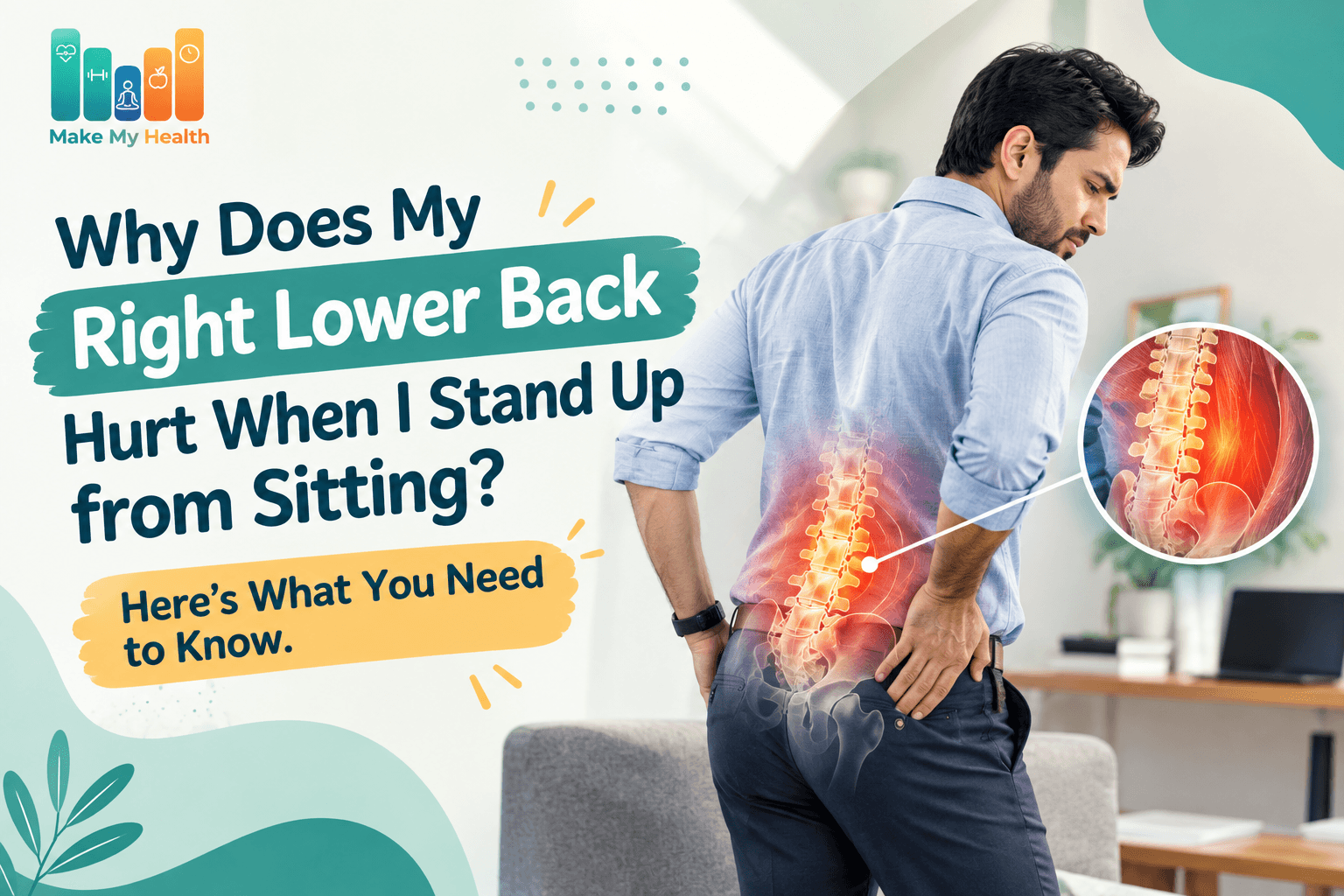
Why does my right lower back hurt when I stand up from sitting?
Published on
DisclaimerThis article is for general educational purposes and is not a substitute for professional medical advice, diagnosis, or treatment. Always consult a qualified healthcare provider for guidance specific to your condition.
Is that sharp jolt in your right lower back when you stand up trying to tell you something more serious than just a muscle tweak?
Common Causes of Right Lower Back Pain When Standing Up
Ever stood up after sitting for a while and felt a sudden jolt in your right lower back? That sting can leave you feeling both worried and puzzled. Whether it’s a dull ache or a sharp stab, figuring out what’s behind the pain is your first step toward relief. Let’s break down the most common reasons your right lower back might flare up when you rise.
1. Muscle Strain or Sprain
Muscle strain is hands-down one of the most frequent causes of localized pain, especially if you’ve been parked in a chair for a while. Sitting for long stretches can make the muscles supporting your spine (like the quadratus lumborum and erector spinae) stiffen up. When you finally stand, those tight muscles get stretched, and ouch, there’s your pain.
- Typical triggers: Lifting heavy stuff, twisting the wrong way, or even just slouching in your seat.
- Why the right side? Most of us unconsciously favor one side maybe you cross your right leg, lean that way, or reach for things on your right. Over time, this piles extra strain onto your right lower back.
2. Poor Posture and Prolonged Sitting
Ever catch yourself slouching forward while scrolling on your phone or working on your laptop? That classic hunch compresses your lower spine and, over time, messes up muscle balance, leading to extra pressure on your right side.
- Did you know? Americans spend over 6 hours a day sitting. Desk jobs? Even more.
- Result: Your muscles get imbalanced and your spine misaligned, making the right lower back a prime target for pain when you stand up.
3. Sciatica or Nerve Compression
Sciatica is a notorious troublemaker. It’s all about irritation or compression of the sciatic nerve, which runs from your lower back down each leg. While classic sciatica shoots pain down your leg, sometimes it hangs out in one side of your lower back.
- Common causes: Herniated discs, bone spurs, or narrowing of the spinal canal.
- Signs: You might feel tingling or numbness along with pain.
| Symptom | Muscle Strain | Sciatica/Nerve Pain |
|---|---|---|
| Sharp pain | Sometimes | Often |
| Radiates down leg | Rarely | Frequently |
| Numbness/tingling | No | Yes |
4. Sacroiliac (SI) Joint Dysfunction
The sacroiliac joint connects your spine to your pelvis, and when it gets inflamed or misaligned often after lots of sitting or awkward movements it can make one side (usually the right) scream in protest.
- Key triggers: Long sitting sessions, pregnancy, or past injuries.
- Notable stat: Roughly 15–30% of folks with lower back pain have SI joint involvement.
5. Herniated or Bulging Disc
Discs are like little cushions between your vertebrae. When you age or lift things the wrong way, a disc can bulge or herniate, pressing on nerves. That pressure can hit hardest when you switch positions, like going from sitting to standing.
- Quick fact: Lumbar disc herniations are most common in people aged 30–50.
- Symptoms: You might notice sudden, sharp pain, sometimes shooting down your leg.
6. Uneven Leg Length or Pelvic Imbalance
This might surprise you a tiny difference in leg length (sometimes less than a centimeter) can tilt your pelvis and put extra stress on one side of your lower back, especially the right.
- How common? Up to 90% of people have a slight leg length difference, but not everyone feels it.
- How it feels: The pain usually kicks in when you change positions, like standing up.
7. Kidney Issues
Kidney stones or infections can sometimes masquerade as lower back pain. These aren’t as common, but if you’ve got other symptoms like fever, weird urine changes, or nausea, don’t ignore it.
| Feature | Musculoskeletal Pain | Kidney Pain |
|---|---|---|
| Aggravated by movement | Yes | No |
| Fever | Rare | Common |
| Urinary symptoms | No | Often present |
8. Arthritis or Degenerative Changes
Getting older means joints and tissues in your lower back can wear down. Osteoarthritis or degenerative disc disease usually show up as stiffness and pain, especially after you’ve been sitting for ages.
- Prevalence: Over 27 million adults in the U.S. live with osteoarthritis.
- Pattern: Pain tends to flare up after inactivity but can improve with gentle movement.
Steps to Identify the Cause
Guessing the cause is one thing, but narrowing it down takes a bit of detective work. Here’s a simple, practical approach:
Step 1: Track the Pain
- Jot down when it hurts most morning, after sitting, etc.
- Note any activities that make it worse.
- Does it radiate down your leg or stay put?
Step 2: Check for Associated Symptoms
- Any numbness, tingling, or weakness?
- Changes in urine or a fever?
- Is it sharper with certain movements?
Step 3: Experiment with Posture and Movement
- Try standing up slowly instead of quickly does that help.
- Shift your sitting position every half hour or so.
- Do gentle stretches and see if the discomfort eases.
Step 4: When to Seek Medical Help
Don’t wait to call your doctor if:
- The pain is severe or keeps getting worse
- You lose bladder or bowel control
- You notice unexplained weight loss or fever
Home Remedies and Prevention
Some causes need a doctor, but plenty of people find relief with a few smart lifestyle tweaks. Here’s what you can try:
1. Improve Posture
- Use a chair with lumbar support, your back will thank you.
- Keep your feet flat on the floor.
- Stand and stretch every hour to keep things loose.
2. Gentle Stretching and Strengthening
Work on stretches for your hip flexors, hamstrings, and lower back. Building up your core muscles helps support your spine and cuts down on strain.
3. Apply Heat or Ice
- Use ice for the first couple of days if it’s a new strain.
- Switch to heat after that to help relax tight muscles.
4. Over-the-Counter Pain Relief
Non-prescription anti-inflammatories like ibuprofen can help tame mild pain. Just be sure to follow the instructions, don’t overdo it.
5. Address Ergonomics
Tweak your workstation so you’re not stuck in awkward positions. If you can, mix things up with a standing desk for part of the day.
When to Worry: Red Flags
Some symptoms mean it’s time to stop guessing and see a pro. Watch out for:
- Pain sticking around for more than 2 weeks
- Weakness or loss of function in your legs
- Pain with fever, chills, or other unexplained symptoms
- A history of cancer or recent injury
If you notice any of these, get checked out right away. Prompt medical evaluation is essential don’t take chances with your health.
Getting to the bottom of right lower back pain can feel like solving a puzzle, but understanding the possibilities is empowering. Listen to your body, make a few changes, and know when to ask for help. With a little detective work and care, you’re well on your way to reclaiming comfort and freedom from pain.
Conclusion
Right lower back pain when standing up is a common complaint with a wide range of potential causes, from simple muscle strain and poor posture to nerve compression or underlying medical issues. By tracking symptoms, adjusting daily habits, and knowing when to seek medical attention, most people can identify and address the root of their discomfort. Remember, small changes in posture, movement, and ergonomics can make a significant difference over time. If pain persists or is accompanied by concerning symptoms, don't hesitate to consult a healthcare professional for a thorough evaluation.
Frequently asked questions
- When should I see a doctor about right lower back pain when standing up?
- Seek medical attention if the pain is severe, lasts more than two weeks, is accompanied by fever, unexplained weight loss, or loss of bladder/bowel control.
- Can home remedies help relieve right lower back pain?
- Yes, many people find relief with posture improvements, gentle stretching, heat/ice application, and over-the-counter pain relievers. However, persistent or worsening pain should be evaluated by a professional.
- Is it normal for back pain to only affect one side?
- Yes, one-sided back pain is common and can result from muscle imbalance, SI joint dysfunction, or nerve compression. If it's recurrent or severe, a thorough assessment is recommended.
Stay updated
Get new health articles on WhatsApp
By subscribing, you agree to receive health updates via WhatsApp. Unsubscribe anytime.