
Lower Back Pain After Workout? Discover 8 Effective Solutions
- Lower Back Pain After Workout? Causes, Prevention & Treatment Tips
- Lower back pain after workout: common causes and treatment
- Lumbar Strain (Weight Lifter's Back) | Loma Linda University Health
- Back Pain After Working Out: Normal Soreness or Injury?
- Low Back Pain After Lifting: Common Causes and Treatment
- Lower Back Pain After Workout: Causes & Prevention Guide
DisclaimerThis article is for general educational purposes and is not a substitute for professional medical advice, diagnosis, or treatment. Always consult a qualified healthcare provider for guidance specific to your condition.
Ever Felt That Nagging Lower Back Pain After a Workout?
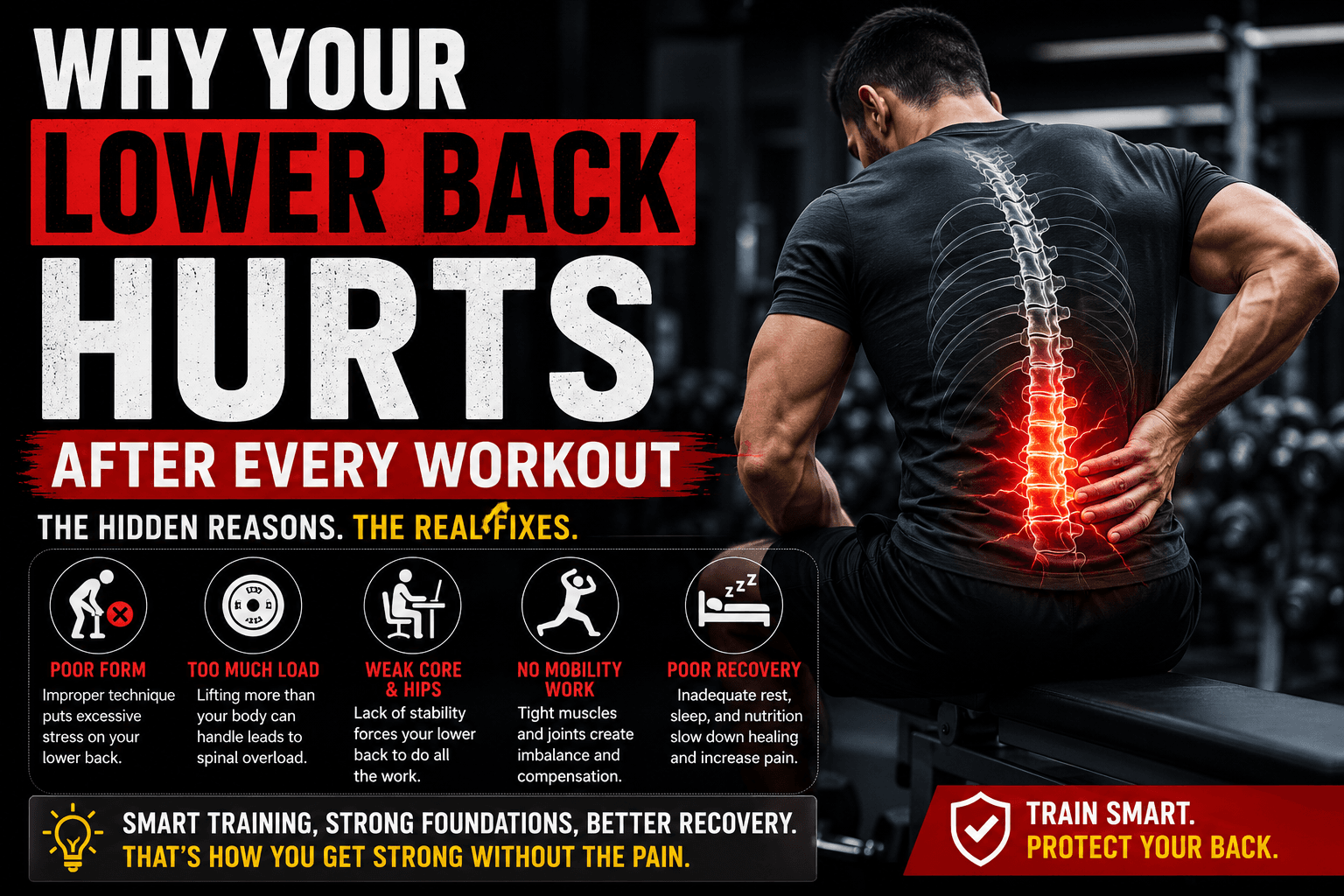
You're not alone! Lower back pain is a common complaint after exercise, but the good news is that there are ways to prevent and alleviate it. Let's dive into the causes and explore eight sensational solutions that can get you back on track in no time!
Understanding the Causes of Lower Back Pain After Exercise
Muscle Strain and Overuse
Picture this: you're pushing yourself, feeling like a champ, and then bam! Lower back pain hits. This often happens because of muscle strain from overuse. When you subject your lower back muscles to too much force or repetitively work them, tiny tears can form. It's the body's way of shouting, "Hey, slow down!" This scenario is especially common in exercises involving heavy lifting, repetitive motion, or poor form.
Common Exercises That Might Lead to Muscle Strain
| Exercise Type | Potential Risk Factor |
|---|---|
| Weightlifting | Lifting beyond capacity; improper form |
| Running | Inadequate warm-up; overexertion |
| Yoga | Overstretching; incorrect posture |
| HIIT | Insufficient rest between sets |
Poor Posture During Workouts
Let's be honest—how often do you check your posture during workouts? Poor alignment can spell disaster for your lower back. For instance, if you’re not keeping your back straight during squats or deadlifts, you're putting unnecessary strain on your lumbar region. Over time, this can lead to chronic pain.
Quick Posture Tips:
- Maintain a neutral spine.
- Engage those core muscles for extra support.
- Avoid rounding your back during lifts.
Inadequate Warm-up and Cool-down
We’ve all been guilty of skipping warm-ups or rushing through cool-downs. Bad idea! Warm-ups are crucial for prepping your muscles and joints, boosting blood flow, and enhancing flexibility. Cool-downs, on the other hand, help your body return to a resting state, minimizing stiffness and soreness.
Awesome Warm-up Activities:
- Light cardio (5-10 minutes)
- Dynamic stretches focusing on the back and legs
Cool-down Musts:
- Gentle stretching
- Deep breathing exercises
Solutions to Alleviate Lower Back Pain
1. Practice Proper Form and Technique
Nailing the right form and technique is your best defense against lower back pain. When movements are executed correctly, the risk of injury plummets while workout efficiency soars.
How to Keep Your Form in Check:
- Consider guidance from a professional trainer.
- Use mirrors to spot-check your posture.
- Start with lighter weights to master the technique.
2. Incorporate Core Strengthening Exercises
A strong core is like the foundation of a house—essential for stability and support. It reduces the likelihood of back pain by creating a balanced and resilient body.
Try These Core Exercises:
- Planks (front and side)
- Russian twists
- Supermans
3. Use Correct Footwear
Believe it or not, your shoes can make or break your exercise routine. Footwear lacking proper support can lead to imbalances, which, in turn, can cause lower back pain.
What to Look for in Workout Footwear:
- Adequate arch support
- Cushioning for shock absorption
- A firm heel counter for stability
4. Implement Stretching Routines
Stretching is like giving your muscles a little TLC. It helps maintain flexibility, improves circulation, and eases tension—perfect for keeping lower back pain at bay.
Must-Try Stretches:
- Cat-Cow Stretch
- Child's Pose
- Piriformis Stretch
5. Engage in Low-Impact Exercises
Already dealing with lower back pain? No worries! Low-impact exercises can help you stay fit without putting extra stress on your back and joints.
Low-Impact Activities to Consider:
- Swimming
- Cycling
- Elliptical training
6. Apply Heat or Cold Therapy
Sometimes, all you need is a little heat or cold therapy. Heat promotes blood flow and relaxes muscles, while cold therapy reduces inflammation and numbs sharp pain.
How to Use Heat and Cold Therapy:
- Heat: Apply a warm towel or heating pad for 15-20 minutes.
- Cold: Use an ice pack wrapped in a cloth for 10-15 minutes.
7. Consider Physical Therapy
If your lower back pain is persistent or severe, a physical therapist might be your best ally. They can tailor exercise programs and manual therapy to address your specific pain points.
Why Physical Therapy Rocks:
- Customized exercise plans
- Hands-on techniques for pain relief
- Education on body mechanics
8. Ensure Adequate Rest and Recovery
Never underestimate the power of rest! Giving your body time to heal is crucial for preventing further injury and promoting overall well-being.
Rest and Recovery Hacks:
- Aim for 7-9 hours of sleep per night.
- Schedule regular rest days between intense workouts.
- Listen to your body and avoid pushing through pain.
By understanding these causes and implementing these empowering solutions, you can effectively manage and prevent lower back pain after workouts. Here's to a healthier, more sustainable exercise routine that keeps you feeling amazing!
Conclusion:
Lower back pain after exercise is a common issue that can often be traced back to muscle strain, poor posture, and inadequate warm-up or cool-down routines. By focusing on proper form, strengthening the core, using correct footwear, and incorporating regular stretching, individuals can alleviate and prevent discomfort. Additionally, engaging in low-impact exercises and applying heat or cold therapy can aid in recovery. For persistent pain, physical therapy offers personalized solutions. Prioritizing rest and recovery is equally important to maintain a healthy and effective workout regimen.
FAQ:
-
Why is proper form important during exercise?
Proper form minimizes the risk of injury and ensures that exercises are effective, reducing unnecessary strain on the lower back. -
How does core strengthening help with lower back pain?
Strengthening the core stabilizes the body, supports the lower back, and reduces the likelihood of pain by improving posture and balance. -
What should I look for in workout footwear to prevent lower back pain?
Choose shoes with adequate arch support, cushioning for shock absorption, and a firm heel counter to maintain proper body alignment.
Stay updated
Get new health articles on WhatsApp
By subscribing, you agree to receive health updates via WhatsApp. Unsubscribe anytime.