
Headache Back of Head: Causes, Treatment and Prevention
DisclaimerThis article is for general educational purposes and is not a substitute for professional medical advice, diagnosis, or treatment. Always consult a qualified healthcare provider for guidance specific to your condition.
Is that persistent ache at the back of your head just stress, or could it be signaling something far more serious?
Understanding Headaches at the Back of the Head
Let’s face it, headaches are a universal nuisance. Almost half of all adults get hit with one at least once a year. But when that pain zeroes in on the back of your head, it can feel especially relentless. These so-called occipital headaches can really throw a wrench into your day. So, what’s actually going on back there? And more importantly, how can you fight back and keep these headaches from taking over your life?
Common Causes of Headaches at the Back of the Head
1. Tension Headaches
Tension headaches are the undisputed heavyweight champion of headaches, responsible for a jaw-dropping 78% of all cases. If you’ve ever felt a dull, aching pain that creeps up from the back of your head and wraps around like a tight band, you know this pain all too well. Usually, it’s on both sides and can make your neck and shoulders feel like they’re carrying the weight of the world. Here’s what often triggers a tension headache:
- Stress: That mounting pressure at work or home? It’s a classic trigger.
- Poor posture: Slouching at your desk for hours is a recipe for agony.
- Fatigue: Burning the candle at both ends can leave you vulnerable.
2. Cervicogenic Headaches
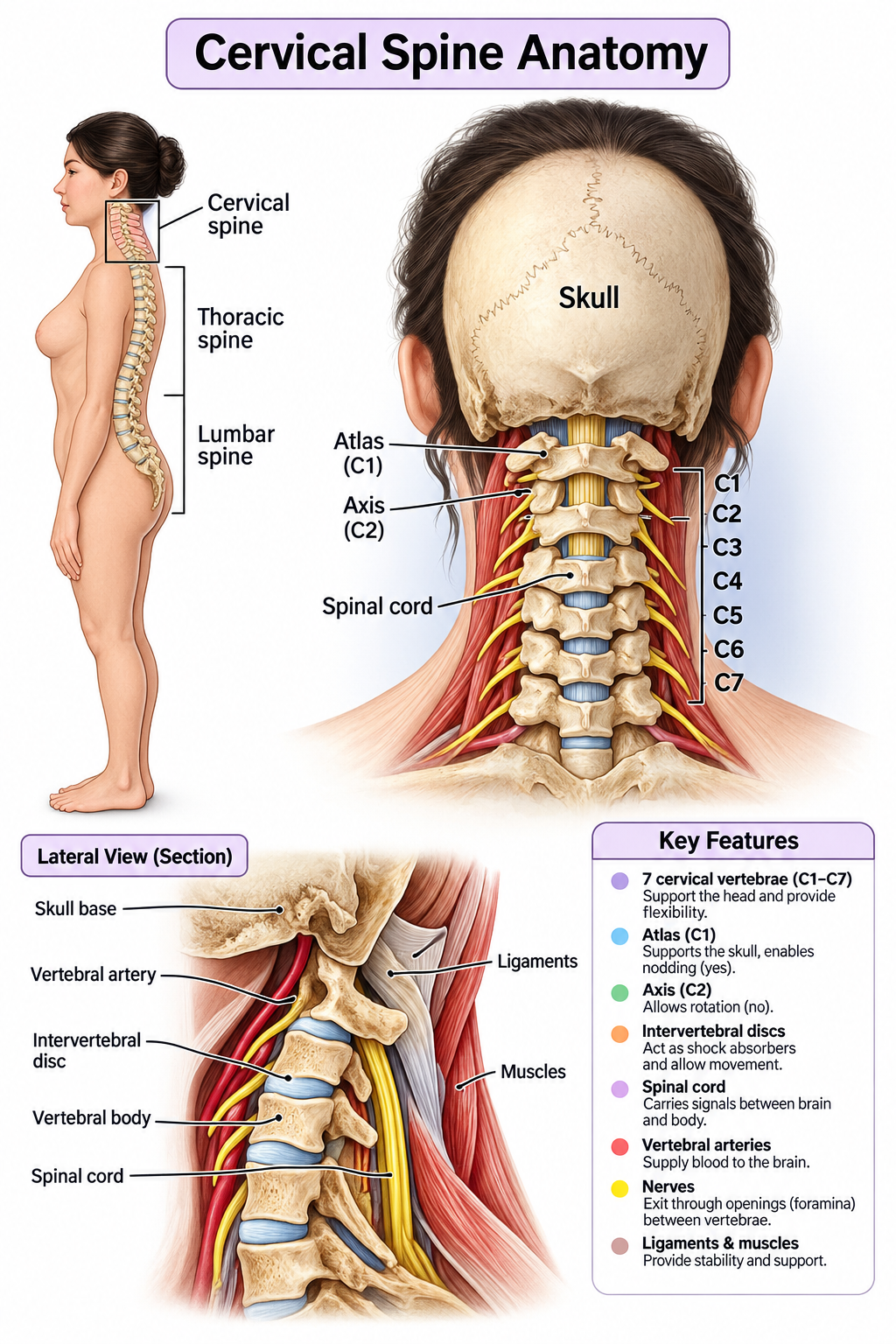
These headaches are sneaky. They start in your neck (the cervical spine) but masquerade as head pain. If you’ve had a steady, non-throbbing pain at the base of your skull that sometimes shoots up to your forehead or behind your eyes, cervicogenic headaches might be the culprit. Common causes include:
- Neck injuries: Whiplash or any kind of trauma can set things off.
- Arthritis: Wear and tear in the neck joints can spark pain.
- Poor ergonomics: Repetitive neck movements or awkward postures are risky.
3. Occipital Neuralgia
Occipital neuralgia is a different beast altogether. Instead of a dull ache, you get sharp, electric shock-like jolts at the base of your skull. The culprit? Irritation or injury to the occipital nerves that snake up from your spinal cord. Triggers include:
- Nerve compression: Tight muscles or a direct injury can pinch those nerves.
- Medical conditions: Issues like diabetes or gout can play a role.
4. Migraine
While migraines usually get top billing for front or side-of-the-head pain, they can also strike at the back. These are not your average headaches they’re intense, often throbbing, and can bring along sensitivity to light, sound, and sometimes even nausea or weird visual effects. About 12% of people worldwide know this misery all too well, sometimes for up to three days at a time.
5. Other Causes
There are a few more, less common reasons your head might be pounding in the back:
- Hypertension: Sky-high blood pressure can trigger a dangerous headache, especially at the back.
- Exertional headaches: Ever had a headache after a workout, coughing fit, or even sex? That’s what we’re talking about.
- Sleep disorders: Poor sleep or sleep apnea can bring on those dreaded morning headaches.
Recognizing Symptoms: When to Seek Medical Attention
Most headaches are annoying but not dangerous. Still, some symptoms should set off alarm bells. If you notice any of these, don’t wait get checked out right away:
| Symptom | Possible Implication |
|---|---|
| Sudden, severe “thunderclap” headache | Possible brain hemorrhage |
| Headache with fever, neck stiffness | Meningitis or infection |
| Changes in vision or speech | Stroke or neurological disorder |
| Persistent vomiting | Increased intracranial pressure |
| Headache after head injury | Concussion or brain injury |
| New headache after age 50 | Temporal arteritis or other causes |
If your headache comes with any of these red flags, don’t brush it off get medical help ASAP.
Step-by-Step: Diagnosing the Cause
Getting to the bottom of what’s causing your headache is the first step toward relief. Here’s how a doctor usually cracks the case:
Step 1: Detailed Medical History
Your doctor will ask questions like:
- When did the headache start, and how long does it last?
- What does it feel like sharp, dull, throbbing, or shooting?
- Are there any tag-along symptoms like nausea, vision changes, or neck stiffness?
- What seems to trigger it, and what (if anything) brings relief?
Step 2: Physical Examination
They’ll check:
- Neck mobility: Can you move your neck easily? Is it sore?
- Neurological exam: Reflexes, strength, and sensation get tested.
- Palpation: Pressing on your scalp and neck to see if certain spots are tender, especially over those occipital nerves.
Step 3: Diagnostic Tests
If there’s any reason to suspect something more serious, you might need:
- Imaging: MRI or CT scans to rule out anything dangerous.
- Blood tests: To look for signs of infection, inflammation, or other problems.
- Nerve blocks: Sometimes, a special injection can pinpoint occipital neuralgia.
Treatment Options for Headaches at the Back of the Head
The best treatment depends on what’s causing the pain. Here’s a rundown of what’s available:
1. Medications
| Medication Type | Example Drugs | Typical Use Case |
|---|---|---|
| Over-the-counter (OTC) | Acetaminophen, Ibuprofen | Mild to moderate tension headaches |
| Prescription Analgesics | Triptans, Ergotamines | Migraines |
| Muscle Relaxants | Cyclobenzaprine | Cervicogenic headaches |
| Nerve Block Injections | Lidocaine, Steroids | Occipital neuralgia |
| Antihypertensives | Beta-blockers | Headaches due to hypertension |
2. Physical Therapy
Physical therapy can be a game-changer, especially if your headaches are linked to your neck or posture. Therapists might recommend:
- Stretching and strengthening: Focusing on neck and upper back muscles.
- Postural training: Helping you set up your workspace so you’re not slouching all day.
- Manual therapy: Hands-on techniques like massage or gentle mobilization.
3. Lifestyle Modifications
Sometimes, small tweaks make a massive difference:
- Regular exercise: Shoot for at least 150 minutes a week your body and brain will thank you.
- Adequate sleep: Aim for 7–8 hours every night.
- Hydration: Don’t underestimate the power of water 2–3 liters a day keeps headaches at bay.
- Stress management: Try mindfulness, yoga, or deep breathing to keep stress from taking over.
4. Alternative Therapies
If traditional methods aren’t cutting it, some people swear by:
- Acupuncture: There’s some evidence it can lower headache frequency.
- Biofeedback: Teaches you to control your body’s stress responses.
- Cognitive-behavioral therapy (CBT): Helps you manage pain and stress in new ways.
5. Interventional Procedures
For headaches that just won’t quit, your doctor might suggest:
- Nerve blocks: Temporary but often powerful relief, especially for occipital neuralgia.
- Botox injections: Approved for chronic migraines and can be surprisingly effective.
- Surgical decompression: Rare, but sometimes necessary if a nerve is trapped and nothing else helps.
Prevention Strategies: Reducing the Risk of Headaches
You can’t always dodge a headache, but you can definitely stack the odds in your favor. Here’s how:
Step 1: Ergonomic Adjustments
- Workstation setup: Keep your monitor at eye level and use a chair that supports your lower back.
- Frequent breaks: Stand up and stretch every 30–60 minutes to keep your muscles happy.
Step 2: Healthy Lifestyle Habits
- Consistent sleep: Go to bed and wake up at the same time every day, even on weekends.
- Balanced diet: Don’t skip meals, and try to keep caffeine and alcohol in check.
- Regular activity: Even a brisk walk for 30 minutes most days can work wonders.
Step 3: Stress Management
- Mindfulness: Meditation or guided imagery can be surprisingly powerful.
- Time management: Prioritize your to-do list and don’t be afraid to ask for help.
- Stay connected: Friends and family are your secret weapon against stress.
Step 4: Monitoring and Managing Triggers
A headache diary can be a lifesaver. Track:
- When your headaches strike.
- How long they last and how bad they get.
- What you ate, how you slept, and what was going on around the time.
- What helped (or didn’t help) ease the pain.
Step 5: Regular Medical Check-Ups
Seeing your doctor regularly can help catch problems like high blood pressure or sleep apnea, both of which can quietly fuel headaches at the back of your head.
Quick Reference Table: Causes, Symptoms, and Treatments
| Cause | Typical Symptoms | Common Treatments |
|---|---|---|
| Tension Headache | Dull, bilateral pain, neck tightness | OTC pain relievers, stress reduction |
| Cervicogenic Headache | Steady pain from neck/base of skull | Physical therapy, posture correction |
| Occipital Neuralgia | Sharp, electric shock pain at skull base | Nerve blocks, muscle relaxants |
| Migraine | Throbbing, sensitivity, nausea | Triptans, lifestyle modification |
| Hypertension | Dull ache, often morning, back of head | Blood pressure control, medication |
| Exertional Headache | Sudden pain with activity | Rest, hydration, medical evaluation |
Understanding what’s behind those headaches at the back of your head gives you the power to take control. Whether it’s muscle tension, nerve irritation, or something lurking beneath the surface, knowing the signs and tackling the problem head-on can make a world of difference. And remember, if something feels off or you spot any warning signs, don’t tough it out getting help quickly can be absolutely critical.
Conclusion
Headaches at the back of the head can stem from a variety of causes, ranging from tension and poor posture to more specific issues like occipital neuralgia or migraines. By understanding the different triggers, symptoms, and treatment options, individuals can take proactive steps to manage their discomfort and reduce the frequency of these headaches. Early recognition of warning signs and seeking appropriate medical care are crucial for addressing potentially serious underlying conditions. Ultimately, adopting healthy lifestyle habits, making ergonomic adjustments, and working closely with healthcare professionals can significantly improve quality of life for those affected by this common problem.
Frequently asked questions
Stay updated
Get new health articles on WhatsApp
By subscribing, you agree to receive health updates via WhatsApp. Unsubscribe anytime.